aimaze is a project dedicated to creating sophisticated pop/rock music with thoughtful, challenging lyrics. aimaze seeks to offer listeners not just songs, but journeys.
With a commitment to complex yet accessible songwriting, and lyrics that challenge listeners to reflect, aimaze stands as an artist for those who seek more than background music. Each track is crafted to be discovered and rediscovered, revealing new layers with every listen.
What makes aimaze special is its AI-assisted production process. While rooted in human creativity and vision, the music embraces modern tools to explore new possibilities.
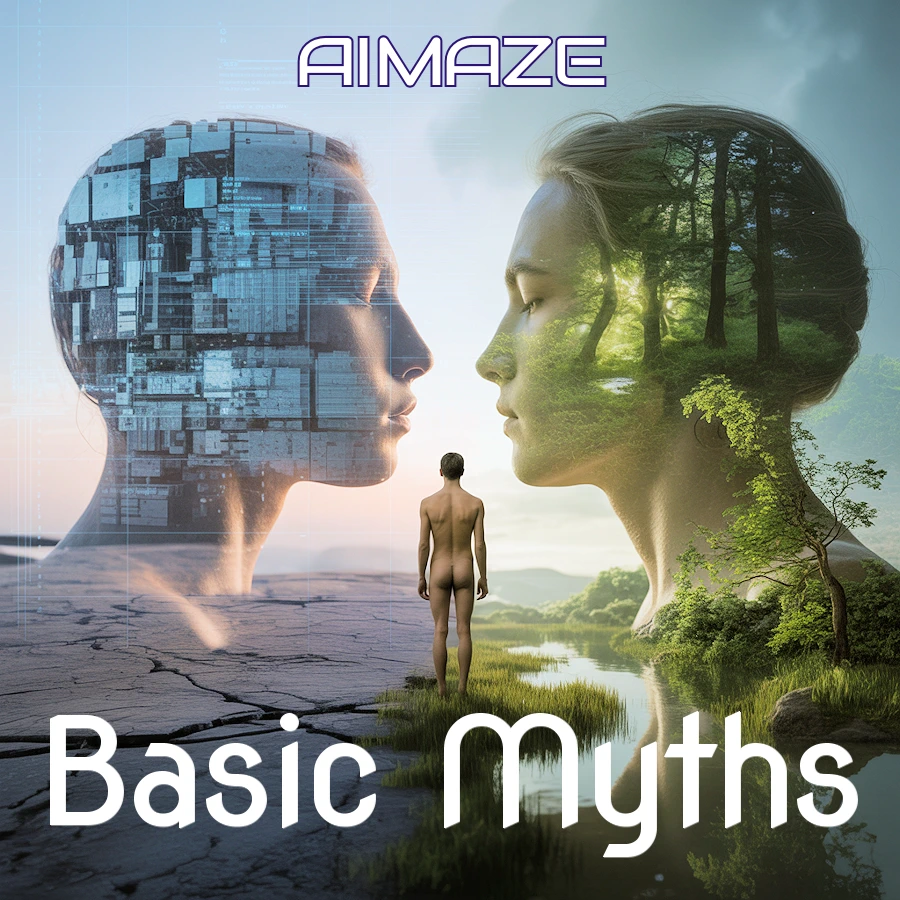
aimaze hopes to inspire not only reflection but also connection, reminding listeners that beyond the myths of separation lies a deeper truth of unity.